





What Is Float Glass And How Is It Made?
Description
Technical Parameters
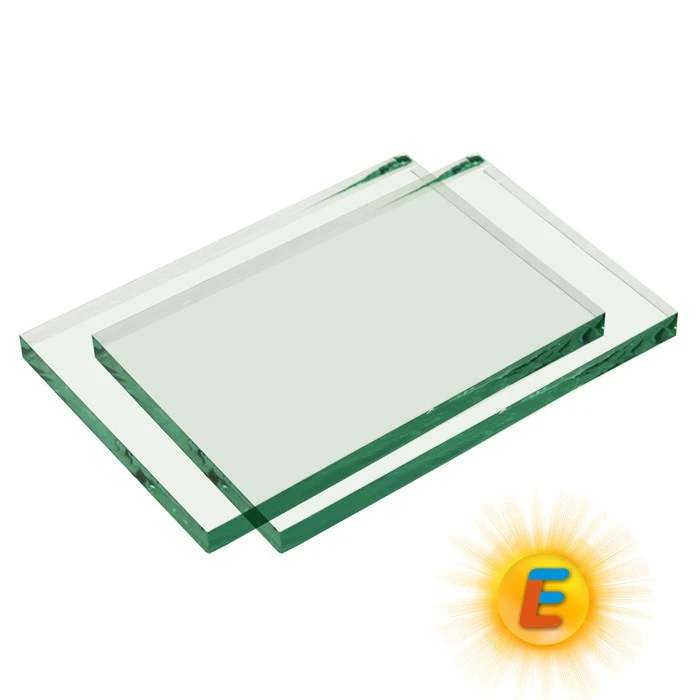
Float glass is a type of flat glass made by floating molten glass over a bath of molten metal (usually tin) to produce uniform thickness, flatness and surface quality. This process results in high optical clarity, making it suitable for a wide range of applications including windows, mirrors, picture frames, table tops and shower enclosures. Its versatility and durability make it a popular choice for many industries and applications.
Standard float glass, often referred to as clear float glass, has a slightly greenish appearance that is especially noticeable when looking at the edges of the glass. This slightly greenish hue is due to the presence of iron in the raw materials used to produce float glass.
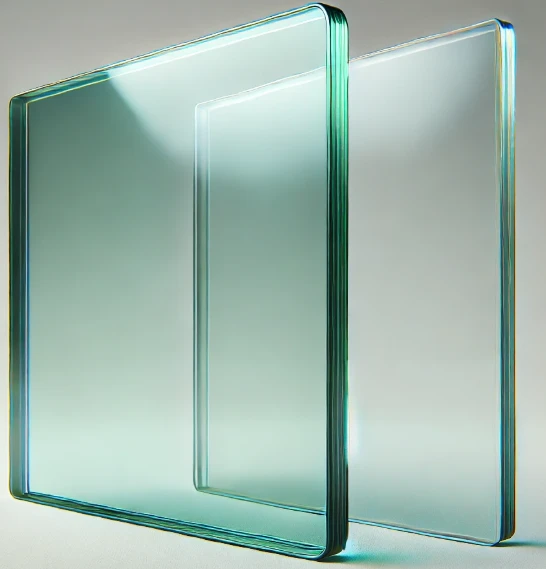

What are the advantages and characteristics of float glass?
1.Clarity
Float glass has a high light transmittance (the most notable advantage of float glass is its smooth, transparent surface, no stripes or bubbles. Due to its crystalline transparency, float glass offers unparalleled benefits, connecting you to your natural surroundings while protecting us from the elements. It allows natural light to enter the building, helping to improve the visual comfort of building occupants while reducing the need for artificial lighting.
Due to its durability and high transparency, transparent float glass is a common type of glass for windows and glass containers, especially in the food and beverage industry. The most popular form of transparent float glass is soda lime glass, which gets its name from its green hue. This type of glass accounts for about 90% of all artificial glass.
2.It can be reprocessed
Transparent float glass is also a preferred recycled material, as it can be repeatedly re-melted and softened without loss of integrity, so very environmentally friendly.
3. Durability
Float glass can withstand time of use, but it can also be recycled indefinitely. Broken Glass (broken glass or recycled glass) is one of the raw materials used in the production of float glass. After the mineralization process, broken glass reduces the amount of energy required to heat the raw material mixture to a molten state and helps reduce the amount of natural raw materials needed to produce the same volume of glass.
4. Diversity:
As the father of all glass products, float glass can be diversified to create a wide variety of glass products. It can be designed to vary in thickness, tone and size to meet a variety of building and consumer requirements. Several processing techniques, such as insulation, glazing, lamination, thermal tempering, screen printing, sandblasting, bending, acid etching, etc. , can be easily performed on transparent float glass, to get the desired look.


Disadvantages of float glass:
If the float glass breaks, it will shatter into sharp fragments. Therefore, for safety reasons, special care should be taken when considering the use of this product. Generally, this kind of glass is suitable for smaller applications, such as cabinet glass door, basement window, desktop, mirror and so on. Compared with other types of glass such as toughened glass, float glass is relatively inexpensive.
Application of transparent float glass
Transparent float glass is a widely used material. It can accommodate an infinite number of thicknesses, sizes, and colors. Other processes (such as laminating, screen printing, insulation, glazing, sandblasting, and etching) can improve the mechanical properties of glass in a variety of applications. These include:
1. Construction
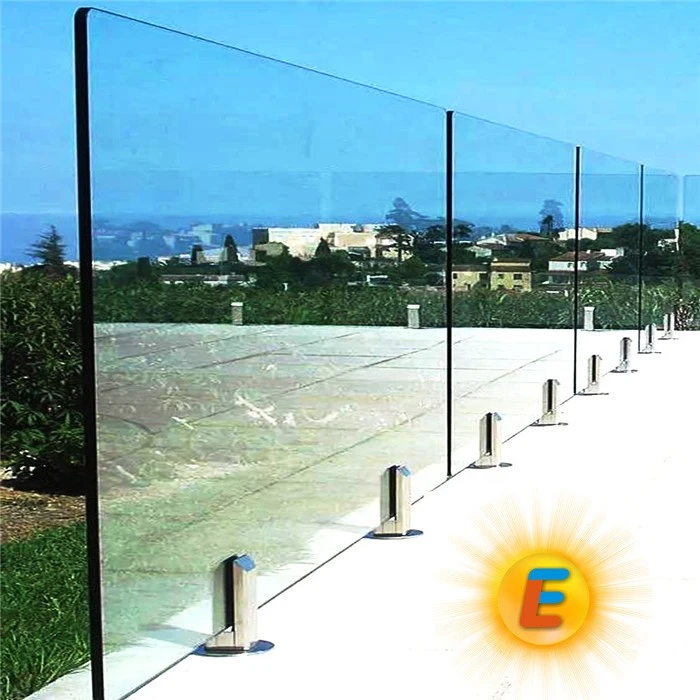
- Window Glass: transparent float glass is widely used for windows in residential, commercial and industrial buildings.
- Curtain Wall Glass: used for the facade design of modern buildings, with good visual effects.
- Door Glass: Used for indoor and outdoor doors.
- Skylight: used for daylighting and aesthetic design.
- Partition Wall: as an indoor glass partition, both to ensure light penetration, but also to increase the sense of space.
2. The automobile industry
- Window Glass: used for front windscreen, side window and rear window glass.
- Skylight glass: transparent float glass after strengthening treatment, can be used for car skylight.
3. Home decor
- Furniture Glass: such as glass tabletop, cabinet door glass.
- Mirror substrate: transparent float glass is often used as a substrate for manufacturing mirrors.
- Shower Room Glass: after toughening treatment, widely used in the bathroom shower partition.
4. The solar industry
- Solar panel glass: for the production of solar panel cover glass, transparent float glass with high light transmittance and weather resistance.
- Photovoltaic module glass: as a packaging material, improve the efficiency of photoelectric conversion.
5. Electronics
- Screen Glass: Protective Glass for touch panel and display screen.
- Electronic Instrument Protection Glass: for clocks and watches, instrumentation panels.
6. Industrial Processing
- Deep processing glass: transparent float glass can be used as toughened, laminated, insulating glass and other substrate.
- Mirror Glass: after the coating process can be made into mirror products.
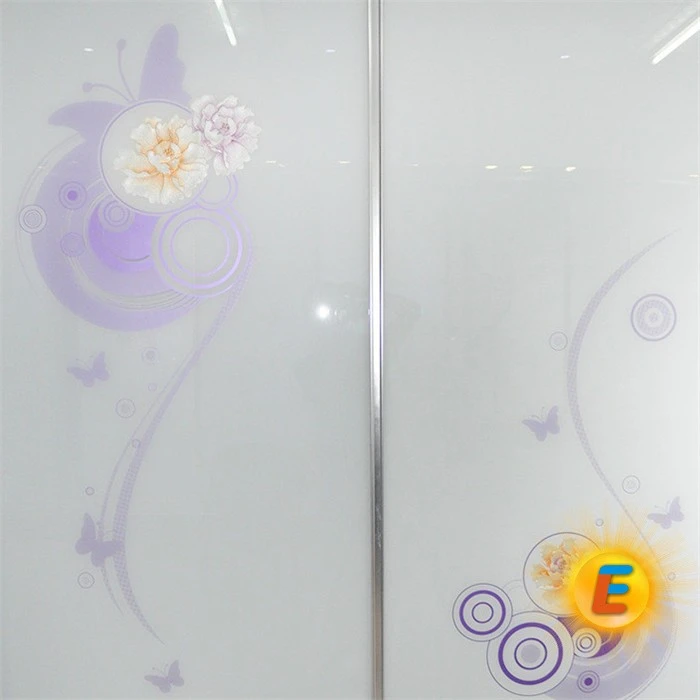
- Decorative Glass: sandblasting, carving, painting and other processes.
7. Other areas
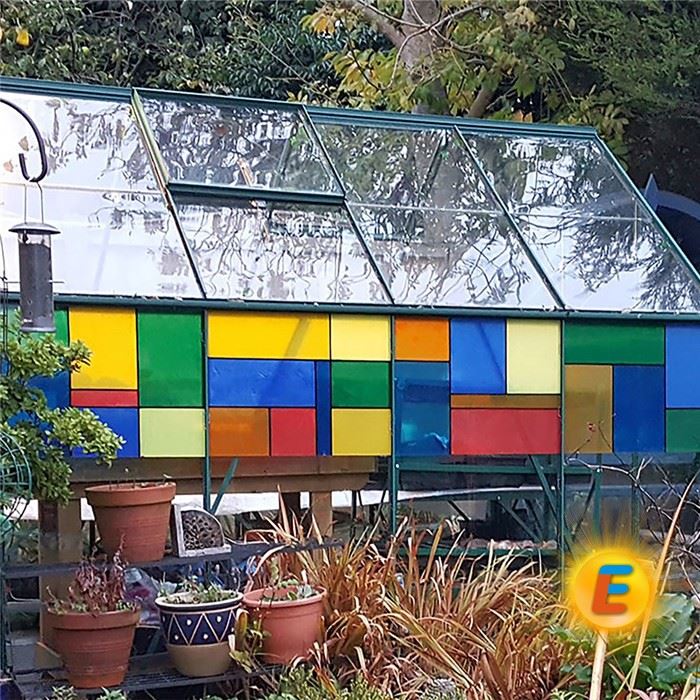
- Greenhouse Glass: transparent float glass for agricultural greenhouse construction, to ensure good light transmission.
- Display case glass: display case for shopping malls and museums.
- Aquarium glass: Transparent Wall for use in aquariums and large aquariums.


Types of Float Glass
- Clear Glass: Standard float glass with a slight green tint.
- Low-Iron Glass: Offers superior clarity with minimal green tint, ideal for premium applications.
- Patterned Glass: Textured for privacy and decorative purposes.
- Tinted Glass and Coated Glass: Provides solar control and aesthetic variation.
- Tempered Glass: Heat-strengthened for safety and durability.
- Laminated Glass: Consists of layers bonded with interlayers for enhanced safety.
- Wired Glass: Embedded with wire mesh for fire resistance and impact strength.


Hot Tags: what is float glass and how is it made?, China what is float glass and how is it made? manufacturers, suppliers, factory, PV Solar Glass, Clear Tempered Safety Glass for Shower Door, Clear Float Solar Module Back Glass, Clear Float Tempered Glass, Solar Collector Glass, Metro Platform Door Glass
Previous
No InformationSend Inquiry


